


Mobile Applications
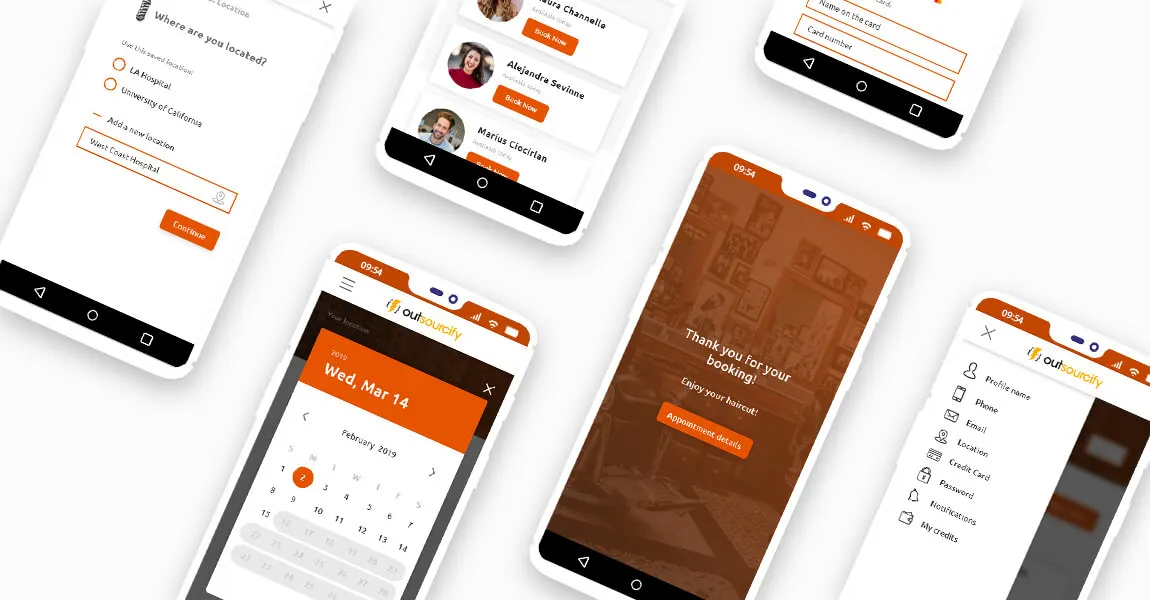
Design and develop high-quality mobile applications for iOS and Android, from initial product definition and prototyping through development, testing, and deployment.
Mobile phones have become an important part of our daily life. Almost everyone owns a mobile phone, and nowadays most people use their smartphones to navigate the webs. Thus, responsive websites are a must, and of course all our web projects are responsive and adaptive to any device. In some cases, you need a mobile application that can reach your customers and give them the best mobile experience possible, using all their phone’s possibilities.
At Outsourcify Web Agency Bangkok, we have been building mobile applications for both the iOS and Android platforms as both share around half of the market. The complexity of creating mobile apps for both lies in the fact that the technologies involved are quite different, which is why lately we’ve been focusing on a cross-platform technology named React Native, which we consider the best to develop cross-platform mobile apps. The programming language involved is JavaScript as it is based on React.js a front-end framework which was created in 2015 by a team from Facebook.
Delivery standards
Quality and operations are designed into the system
We scale testing, security and production practices to the real risk of the product, and identify what is included before delivery starts.
See how we work →Quality assurance
Code review, automated checks and testing of important user flows and integrations.
Security by scope
Access, secrets, dependencies and personal data considered in the context of the architecture.
Repeatable delivery
Staging and CI/CD or another documented, repeatable deployment process.
Production care
Monitoring, backup, recovery and incident processes when hosting or maintenance is in scope.
Frequently asked questions
Do you build native or cross-platform mobile applications?
We select the approach from product requirements, device capabilities, performance needs, release constraints and long-term maintenance. Flutter and React Native often provide an efficient shared codebase, while native development remains appropriate for some specialised features.
How are mobile releases tested before submission?
The delivery plan can cover supported devices, operating-system versions, important user journeys, API integrations, permissions, offline behaviour and release builds. Store submission requirements and rollout responsibilities are agreed before launch.
Can you maintain an app after it is published?
Yes. Maintenance can cover dependency and operating-system updates, monitoring, defect resolution and planned improvements. Scope, response expectations and release ownership are defined in the maintenance agreement.
Web technologies are the future of mobile
Native vs Hybrid
Mobile development used to be complicated and much more expensive than web development. iPhones, Android, and Windows phones all use different technologies; as a result, mobile apps had to be developed several times once they were in the specific programming language of each platform: iOS (Objective C and now Swift), Android (Java), and Windows Phone (C++, C#). Later on, in order to solve this problem, developers were allowed to code mobile applications from web technologies, which resulted in encapsulating a website in HTML5 inside a mobile app. These solutions are known as “hybrid mobile apps”; they appeared a few years ago (Apache Cordova, also known as Phonegap, was created in 2009). Nevertheless, the apps created are easily recognizable since they don’t match the smartphone’s own design (especially on iPhones) and have performance issues.
React Native
In our search for the best web technology to develop cross-platform applications, we quickly got interested in React Native when it was created in 2015 by a team from Facebook, following the release of the front-end JavaScript framework React.js which also originates from developers working at Facebook. React Native enables us to develop cross-platform mobile applications with the JavaScript programming language that is then transformed into mobile apps that render natively on smartphones and tablets. There is a single code base to develop and maintain for an application deployed simultaneously on iOS, Android and potentially also on Windows phones.
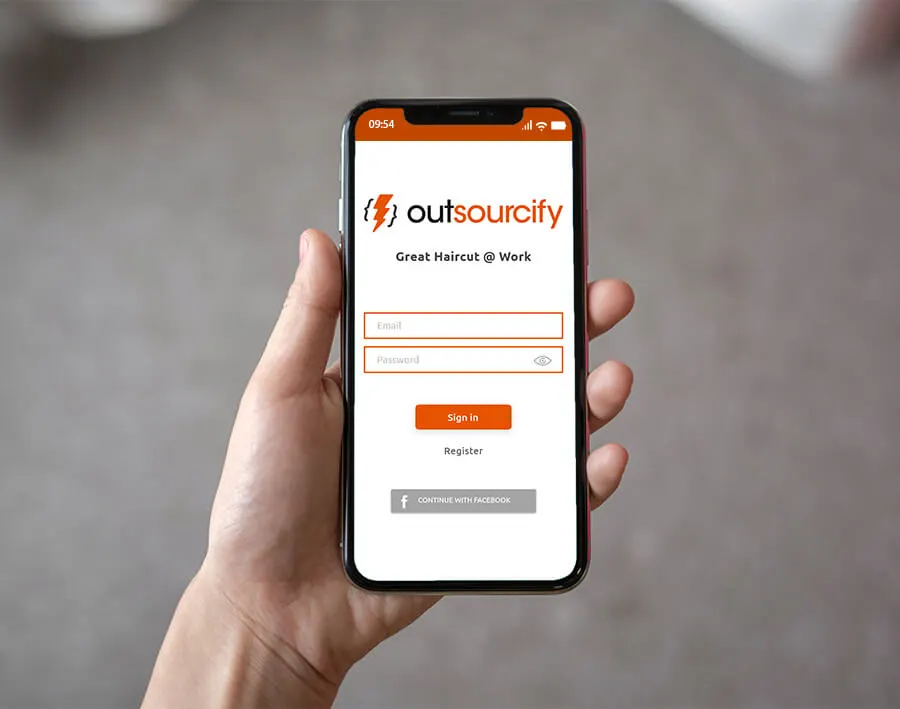
A different approach to software development
As opposed to web apps that can be installed on any server worldwide and can be accessed from any browser on any device where a browser is installed, mobile apps are destined to be installed on a specific operating system (OS) of a smartphone. Today, the market of smartphone operating systems is shared between iOS (installed on Apple’s iPhone) and Android (and open source Linux from Google). Some smartphones still use Blackberry and Microsoft operating systems, though.
The complexity of mobile development is due to the fact the technologies used on iOS and Android are completely different and each of them requires distinct programming skills. Moreover, since both platforms share the present day market of mobile phones, 2 different mobile apps must be developed for the 99% of potential users, that is, one for iOS and one for Android. Both will be available on different “mobile app stores”: the Play Store for Android and Apple’s App Store for iOS.
Market shares held by smartphone platforms/operating systems actually differ depending on the geographical zones. In the United States, Google Android and Apple iOS are pretty much equal while in South-East Asia, Android triumphs over iOS, with the exception of Singapore.
Mobile apps need a backend
Mobile apps that only have simple client-end processing and can work efficiently are rare. Hence, a backend is needed to save your clients and their data, authenticate them, process their actions, communicate with them and between them, as well as to perform analytics and in general for the product administrator to follow up with the mobile app usage. This is one of the reasons why the development of mobile applications cost much more than web applications.
On top of the mobile development, a complete web app will most likely have to be built also. That brings several questions, and among them are which technology should be used to build the backend, how to host it, as well as how to handle notifications and analytics. At Outsourcify, we have an extended experience in building web applications; we have the knowledge of web server infrastructure, server-side programming and database management to create the backend that will suit your mobile app.
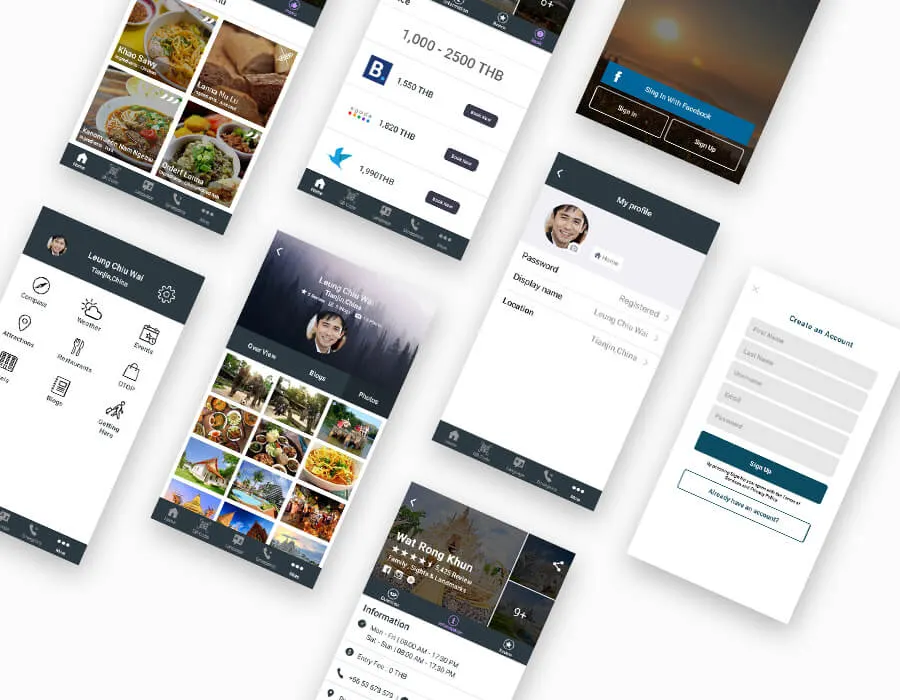
A new comer: Google's Flutter
React Native was created in Facebook offices as it’s derived from React.JS, Flutter is Google’s reaction in the cross-platform app development technologiy world that’s been creating a buzz lately. When React Native uses JavaScript as programming language, Flutter uses Dart, which was introduced by Google in 2011. Where Flutter shines is that it comes with a lot of pre-built components inbuilt, the framework is bundled with UI rendering components, widgets for Material Design for example, which means you don’t really need any third-party library, Flutter comes packaged with everything needed to build a mobile app.
The Flutter community is growing rapidly these days, and it might be the future of development of mobile apps. We will tell you soon our conclusions on this technology.
This service, year by year
- 2018
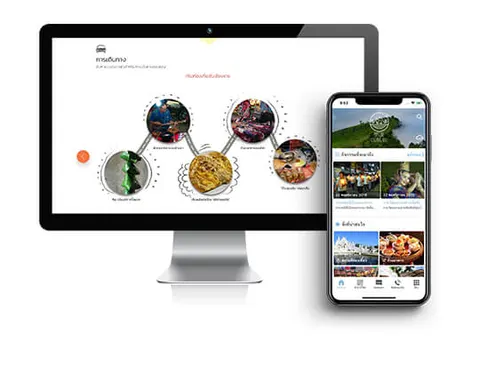 Chiang Rai Province (Thailand)Tourism website and mobile app design
 - 2019
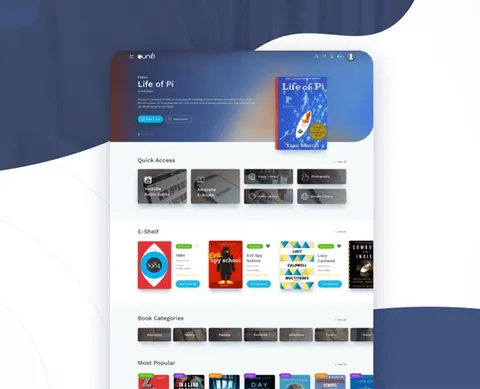 Ounifi (Thailand)E-books library digital ecosystem
 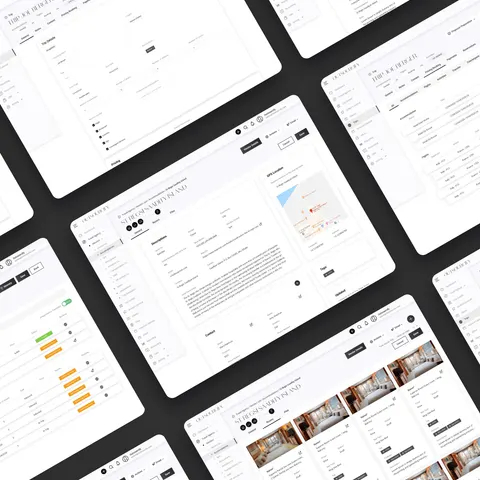 2019High luxury travel agency (USA)A full digital suite for a travel agency
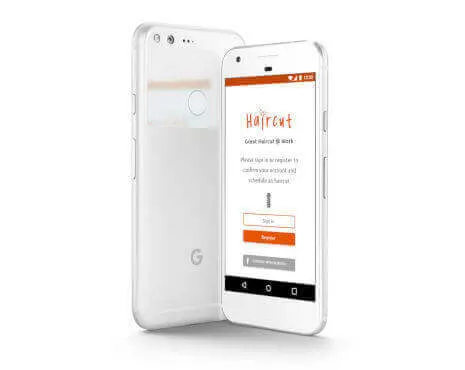 2019Haircut Co. (Trimco)A Two-Sided Marketplace for On-Demand Haircuts
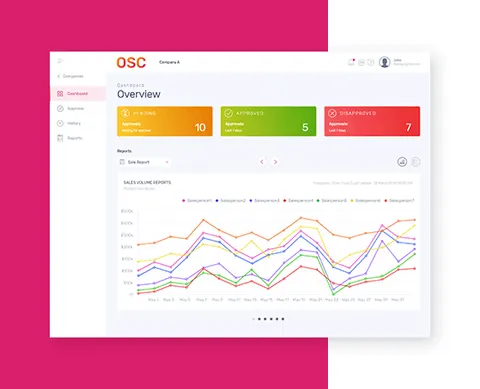 2019Business Intelligence ERP (Thailand)Business Intelligence sales reporting
- 2020
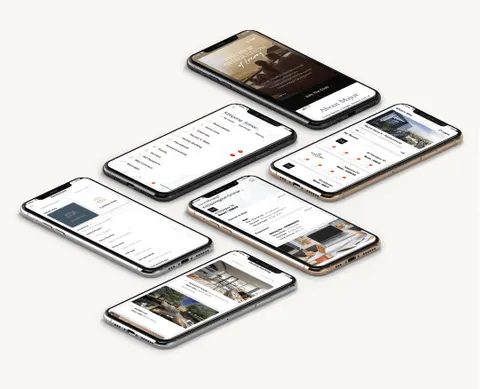 Major Development (Thailand)Property Management IoT Mobile App
 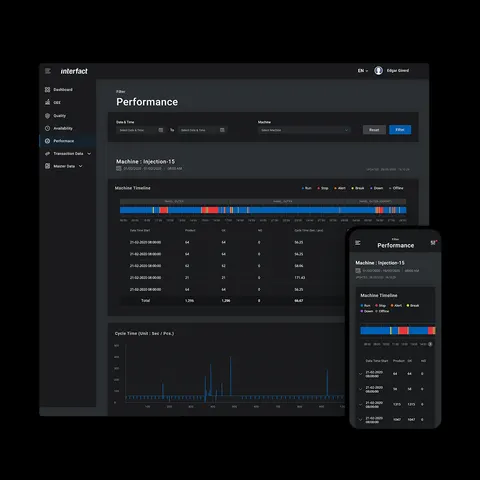 2020Next Industry (Thailand)Web & Mobile Application UX/UI
- 2021
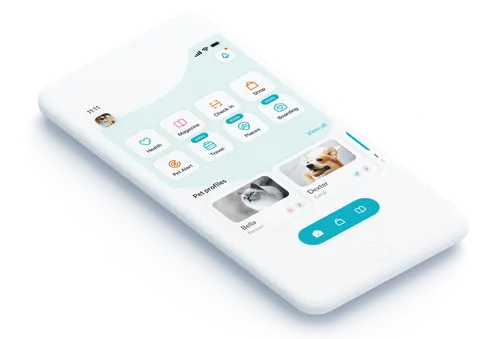 MyFriendPet Super App Startup Consulting
 - 2023
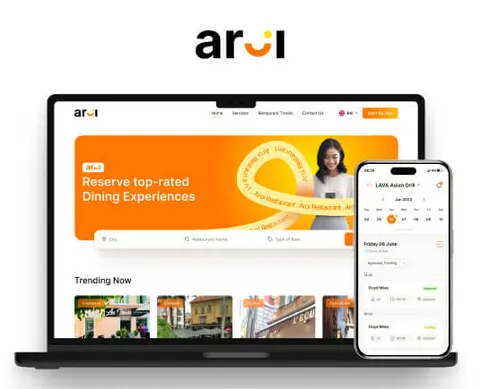 Aroi RestaurantsA Restaurant Reservation and Reviews platform
 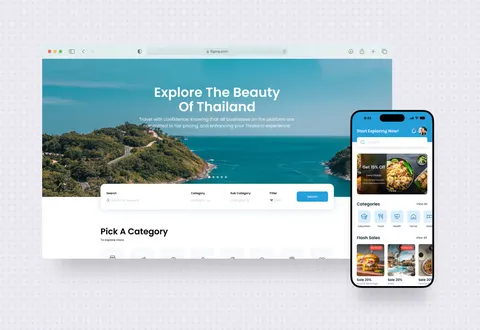 2023Foreigner Friendly ThailandA directory of Thai businesses aimed at foreigners
- 2025
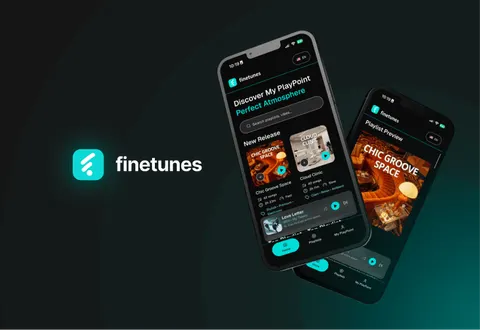 Finetunes Music Co., Ltd.Music Streaming Platform for Hotels, Shops & Restaurants
 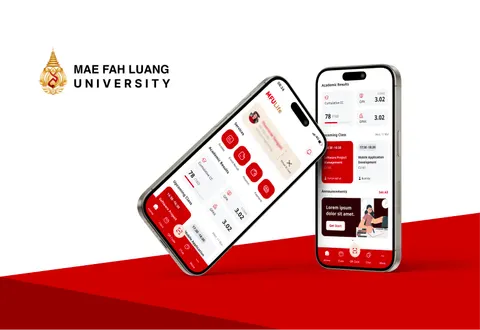 2025Mae Fah Luang University (Chiang Rai, Thailand)A Unified Mobile Access Layer for University Operations
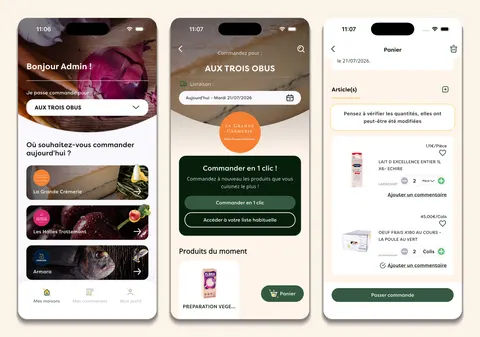 2025French foodtech startupWholesale Food Ordering App for Restaurant Teams
- 2025Southeast Asian central bankCapital Flow Management System for a Central Bank
- 2026
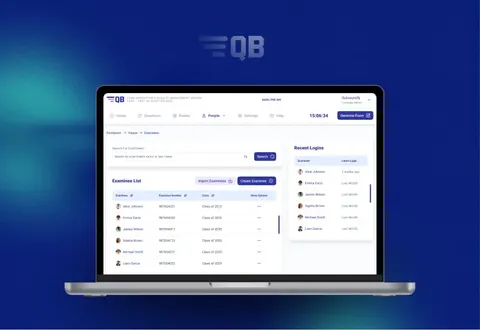 Total Training Support Ltd (UK)Multi-Tenant Exam Management Platform for Aviation Training
 - 2026Southeast Asian central bankExport Monitoring & Currency Repatriation System
Evidence you can verify
Know the team before you entrust us with your product
- Bangkok-based since 20132013
- 34 experienced team members34
- In-house team in our Thonglor studioBangkok
- BOI-promoted company since 2015BOI
- Clutch 4.9/54.9/5 from 6 verified reviewsView our Clutch profile ↗
Contact us
Having a mobile app idea? Let's start your project today!
We partner with product teams and founders to design, build, and ship software that lasts.
Talk to our team