


Astro
A web framework for fast, content-driven websites with server-first rendering and islands architecture.
Astro is a content-focused web framework optimized for speed and SEO. It ships mostly static HTML and only loads JavaScript for interactive “islands,” so pages stay fast on mobile and rank better. Outsourcify builds marketing sites, headless WordPress frontends, and multi-language catalogs with Astro, Vue/React islands, and Cloudflare.
At Outsourcify, we use Astro when a project needs a modern, content-heavy website that stays fast for years — without the JavaScript tax of app-centric frameworks. We adopted Astro early (v2) on production client work, long before the wider industry standardisation that followed Cloudflare’s deeper Astro integration.
What is Astro?
Astro is a content-first frontend framework. You can author with modern components (React, Vue, Svelte, plain HTML), but Astro renders most of the page to static HTML and only hydrates interactive pieces. That “Islands Architecture” keeps the shell of the site light while still allowing rich UI where it matters (search, booking widgets, carts, dashboards).
Compared with heavier stacks (for example Next.js used as a default for every brochure site), Astro is often the better fit when:
- the majority of pages are content, catalog, or marketing
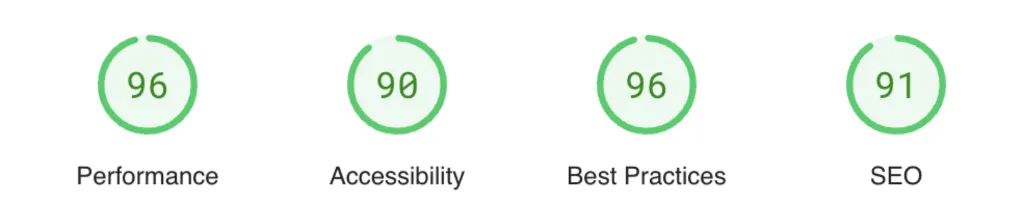
- SEO, Core Web Vitals, and mobile performance are commercial requirements
- you want to avoid accumulating frontend technical debt that forces rewrite cycles every few years
Islands architecture (in practice)
Most SPA-style frameworks ask the browser to download and execute large JavaScript bundles before the page becomes usable. Astro does the opposite:
- Ship static HTML for layout and content (fast first paint).
- Activate only the islands that need interactivity.
- Leave the rest of the page inert and cheap to render.
For businesses, that maps directly to better SEO signals, fewer mobile drop-offs, and lower long-term maintenance cost — especially when Google’s INP and related metrics punish heavy client-side work.
Astro + headless WordPress
A pattern we use often: WordPress remains the CMS your editors already know (posts, media library, ACF, workflows), while Astro becomes the public frontend.
On a large rebuild involving 7,000+ articles, we:
- Decoupled presentation from content (WordPress as a pure content API)
- Rebuilt the frontend with Astro + Vue.js for selective interactivity
- Reclassified taxonomy and enhanced content data so discovery and internal linking improved
- Hosted and delivered pages with an edge-friendly architecture (Cloudflare Workers / CDN)
What stays the same for the client’s team: they still write and publish in WordPress.
What improves for the audience: pages load as prebuilt HTML, with far less runtime dependency on PHP page generation for every view.
We also engineer the operational pieces that pure “marketing demos” skip: ACF-heavy content models, image pipelines, rebuild/cache strategies when content changes, and multi-language routing.
Astro + Cloudflare (edge delivery)
Astro’s model pairs especially well with edge hosting. Instead of always waking a single origin to assemble every page, content can live close to visitors worldwide. With Astro’s evolution toward edge-friendly runtimes (including deep Cloudflare alignment), we can deliver dynamic-feeling experiences with static-like speed — and keep develop/deploy environments closer so fewer “works on my laptop” surprises hit production.
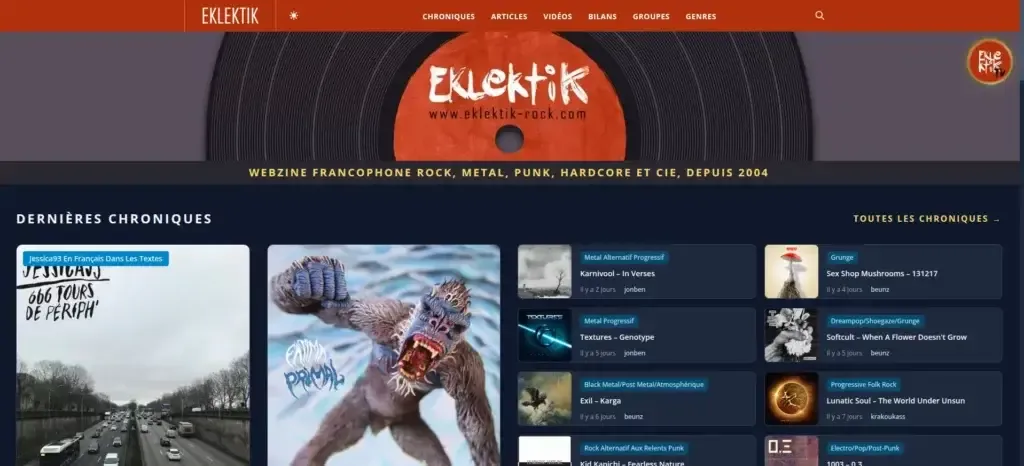
We use this approach for content-rich brands and publications (including long-running properties such as Eklektik Rock) as well as client marketing and hospitality sites.
Production proof: Aroi Restaurants
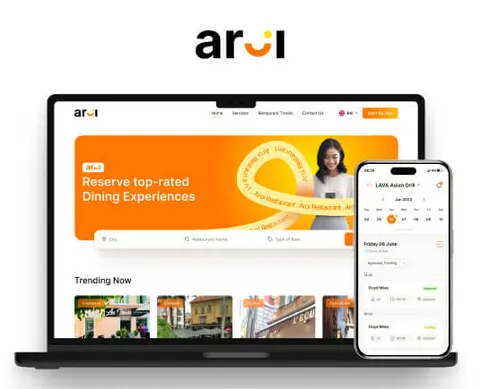
For Aroi Restaurants, we built the public website with Astro + Vue.js, while the broader product platform also includes Flutter apps, Vue/Nuxt admin, and a Symfony API. The marketing/content site benefits from Astro’s static generation: most pages do not need an API call per view (search is the main exception). WordPress still powers content where editorial workflows matter; Astro generates the HTML visitors receive.

When we recommend Astro
Strong fits
- Corporate and marketing sites where speed and SEO are priorities
- Blogs, news, and large content archives (especially headless CMS)
- Multi-language content sites
- Catalog-style e-commerce frontends that are content-led
- Gradual migrations (“strangler fig”): move content pages to Astro first, keep complex app flows elsewhere until ready
Trade-offs we discuss upfront
- Content updates that must appear instantly need a clear rebuild, on-demand ISR/edge, or hybrid strategy
- Highly app-like products (dense authenticated UIs) may still belong in Vue/Nuxt, React, or a custom app stack — we often combine Astro for public content with a SPA/app for authenticated areas
What we build with Astro at Outsourcify
- Headless WordPress (or other CMS) frontends
- High-performance marketing and brand sites
- Multi-language hospitality and tourism content sites
- Hybrid stacks: Astro public site + Vue/React islands + API backends (Symfony, Node, etc.)
- Cloudflare-oriented delivery for global audiences
Related services
If you are evaluating Astro for a rebuild or a greenfield site, these service lines are usually involved:
- Custom web applications
- WordPress solutions (including headless)
- Front-end UIs
- SEO
Build with Outsourcify
We are a Bangkok in-house team with production Astro experience — not a brochure claim. If you want a site that stays fast, ranks well, and keeps content workflows sane for your team, get in touch.
This technology, year by year
From our blog & guides
Astro Joins Cloudflare: The New Standard for High-Performance Web Architecture
The web development landscape often feels like a revolving door of trends, but occasionally, a shift happens that redefines the infrastructure itself. Astro joining Cloudflare is one of those moments. For years, businesses faced a dilemma: choose agility (complex frameworks like Next.js) or raw speed (static sites). This union challenges the assumption that you have… View Article
Read more →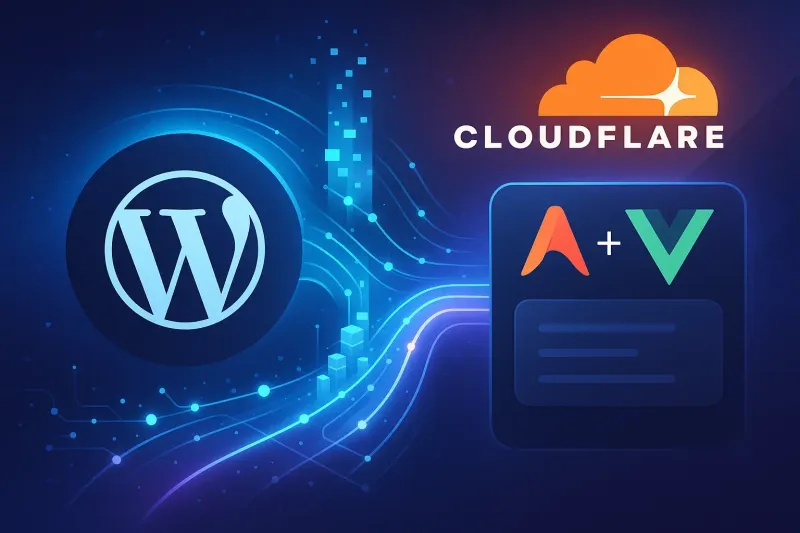
Our Headless WordPress Journey with Astro.js and Vue.js
At Outsourcify, we are committed to guiding organizations through the complexities of digital transformation. Our recent undertaking to rebuild a large-scale WordPress site into a headless CMS with an Astro.js and Vue.js frontend exemplifies our dedication to creating scalable, high-performance, and flexible digital platforms. This ambitious project, involving over 7,000 articles, allowed us to leverage… View Article
Read more →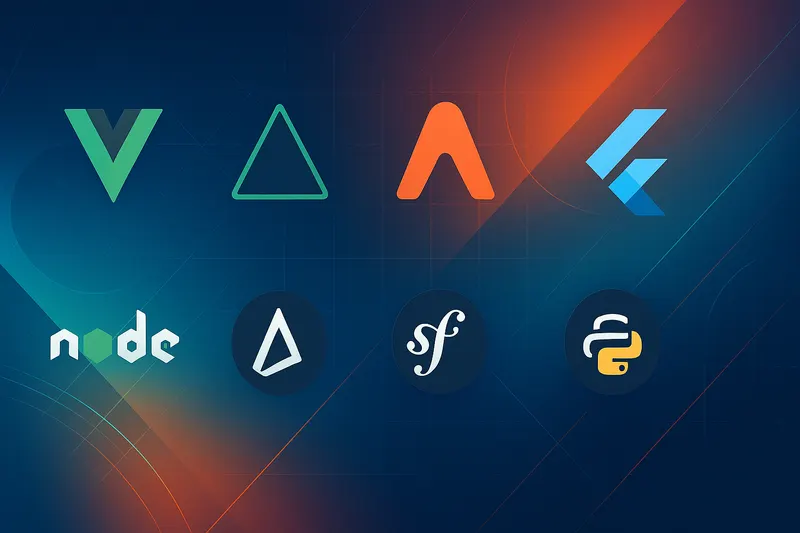
Outsourcify’s 2025 Tech Stack Driving Digital Excellence
Outsourcify’s 2025 tech stack blends proven open-source technologies for performance, scalability, security, and developer productivity. Frontend tools include Vue.js for intuitive UIs, Nuxt.js for SEO-friendly server-side rendering, and Astro for ultra-fast static sites. For mobile, Flutter delivers cross-platform apps with native performance from a single codebase. Backends combine Node.js with Express and Prisma ORM for… View Article
Read more →Contact us
Have a project in mind? Let's start your project today
We partner with product teams and founders to design, build, and ship software that lasts.
Talk to our team