


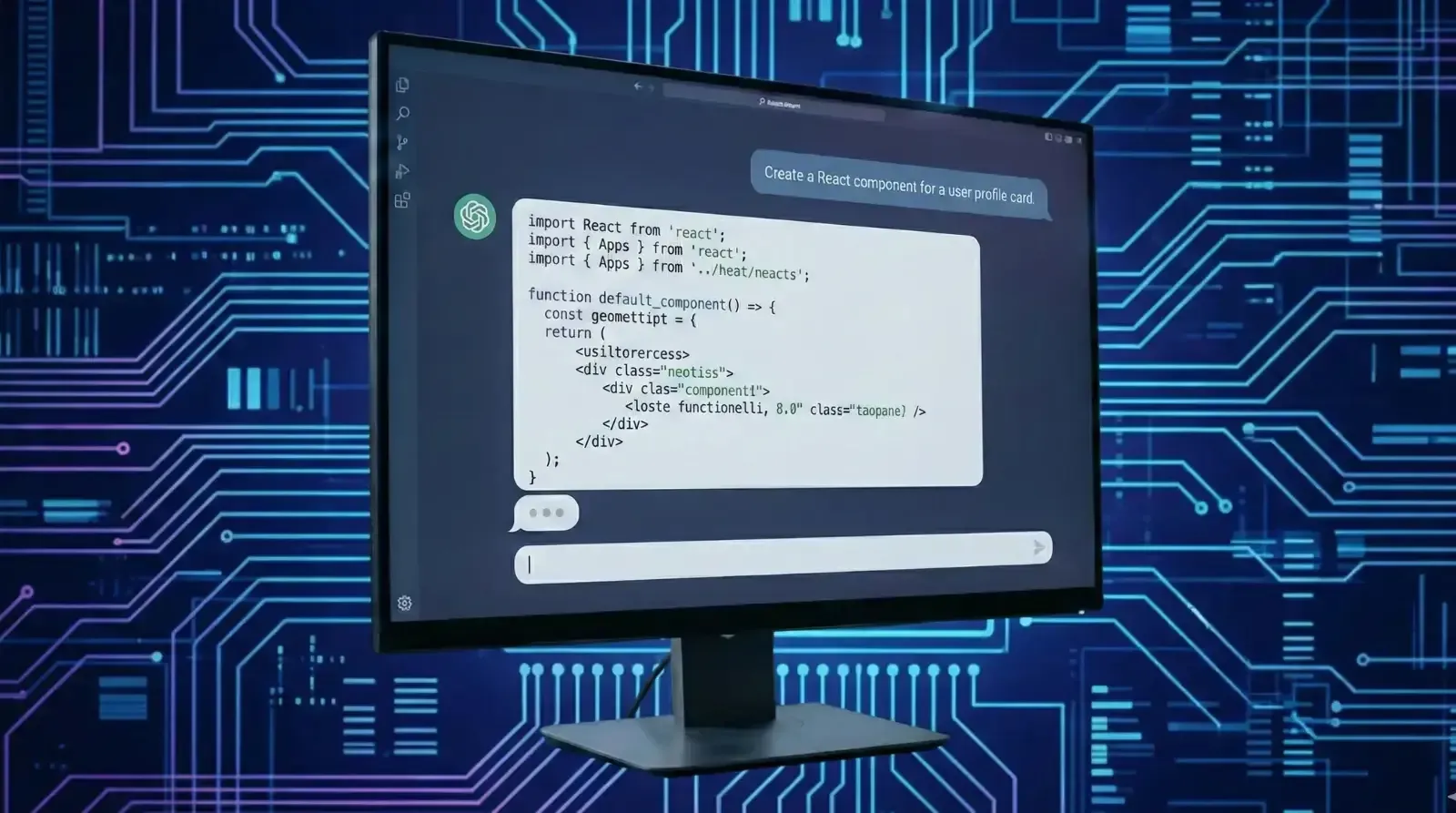
Vibe Coding Rescue: From MVP to Scalable Platform
Turn AI-generated prototypes into secure, scalable, production-ready products with reliable architecture, maintainable code, and the foundations required for long-term growth.
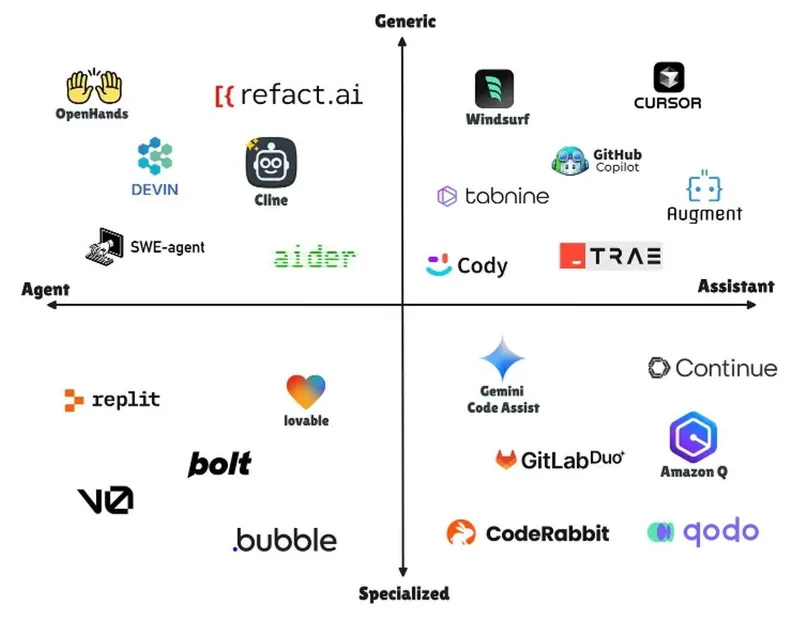
In the past, building an app required mastering syntax, algorithms, and system architecture. Today, that barrier has collapsed. With powerful AI tools like Cursor, Replit, and v0, you don’t need to be a software engineer to deploy a working SaaS; you just need a good idea and the patience to prompt. This is an incredible shift. It allows founders, designers, and dreamers to bring ideas to life in hours instead of months.
As these vibe-coded projects move from fun experiments to real businesses, a new challenge is emerging in our industry. It has created a demand for a specific type of engineering service, a service that doesn’t have a formal job title yet, but it’s becoming essential.
We call it Vibe Coding Rescue.
This service isn’t about fixing bad work. It’s a natural consequence of how products are built today. We’re seeing a pattern where founders use AI tools to validate their ideas at lightning speed, only to hit a wall when those ideas actually start to succeed.
What Vibe Coding Is Actually Good At
Vibe coding is a superpower for validation.
For a non-technical founder, or even a developer working under tight deadlines, these tools allow you to bypass the slow setup phase. You can ship a working concept in days, not months. You can test a hypothesis. Get it in front of users, and see if the market cares—all without burning through your entire budget.
Founders use vibe coding for the right reasons:
- Speed: Getting to market before the window closes.
- Budget: Avoiding expensive engineering costs before revenue exists.
- Tangibility: Turning an abstract idea into something clickable.
At this stage, the code doesn’t need to be perfect. It just needs to work.
When Reality Catches Up
But there is a tipping point. It usually happens when you think you have “made it.”
Your user base starts to grow. You get your first real paying customers. And suddenly, the speed that got you here starts to work against you.
The symptoms are almost always the same:
- Jenga Effect: You ask the AI to add a simple feature, and it breaks three others.
- Performance Drop: The app that felt snappy with 10 test users is crawling with 100.
- Fear of Deployment: You stop shipping updates because you are terrified of taking the site down.
At this stage, you don’t really have a product anymore. You have a prototype on life support. The AI can write more code, but it cannot really understand the system it has created. It keeps stacking complexity on top of a fragile foundation until the whole thing collapses.
This Is Where Vibe Coding Rescue Comes In
Vibe Coding Rescue is not about judging how the MVP was built. We don’t blame the founder for choosing speed, and we don’t try to rewrite history.
Instead, our goal is stabilization.
Vibe Coding Rescue is the process of taking over a fragile, AI-generated codebase and turning it into professional, engineering-grade software. It’s about understanding what was built and why, and then applying the discipline that was skipped during the vibe phase.
What “Rescue” Means in Practice
When we take on a rescue project, we aren’t just “fixing bugs.” We are often performing emergency surgery on the architecture itself.
This transformation usually requires:
- Cleaning the Spaghetti: AI often repeats code or places logic in random files. We consolidate this into a manageable structure.
- Securing the Doors: Vibe coding rarely prioritizes security. We lock down APIs, secure database queries, and ensure user data is safe.
- Reducing Technical Debt: We strip away the unused libraries and “hallucinated” code that bloats the application.
- Laying the Foundation: We implement testing pipelines and deployment strategies so you can scale to 10,000 users without the platform breaking or costing a fortune.
Sometimes, rescue means refactoring the existing code, keeping the frontend (what the user sees) while completely rebuilding the backend (how it works). But it always starts with understanding the founder’s original intent.
“This Isn’t New” — Just Faster and More Dangerous
Senior Engineers might chuckle and say, “We’ve always had to fix bad code.”
And they are right. In the past, this was called “fixing the intern’s project” or “rewriting the legacy PHP app.” Legacy code rescue has always existed.
But here is what changed: AI-assisted coding accelerates technical debt.
Previously, it took a developer six months to create a messy, unmanageable system. Today, a founder AI tool can create the same level of complexity in a weekend.
You can now create fragile systems 10x faster. This means the cost of ignoring structure becomes critical much sooner.
From MVP to Business
We need to reframe how we look at this cycle. It isn’t “Good Engineering vs. Bad Vibe Coding.” It’s simply two different phases of a company’s lifecycle.
Phase 1: Vibe Coding
- Goal: Prove the idea works.
- Tool: AI.
- Metric: Speed.
Phase 2: Vibe Coding Rescue
- Goal: Turn the validation into a business.
- Tool: Professional Architecture.
- Metric: Stability and Scalability.
Without the first phase, you might build a perfect product that nobody wants. But without the second phase, a promising MVP often becomes a liability instead of a company.
From “Project” to “Platform”
At Outsourcify, we often step in at this exact moment—when the founder knows the idea works, but the product can’t grow safely anymore.
We don’t view ourselves as “rescue heroes.” We view ourselves as the technical partner that transitions you from a “Project” to a “Platform.” We bring the engineering rigor that ensures your great idea can actually survive its own success.
Vibe coding proves the idea. Rescue coding builds the future.
Delivery standards
Quality and operations are designed into the system
We scale testing, security and production practices to the real risk of the product, and identify what is included before delivery starts.
See how we work →Quality assurance
Code review, automated checks and testing of important user flows and integrations.
Security by scope
Access, secrets, dependencies and personal data considered in the context of the architecture.
Repeatable delivery
Staging and CI/CD or another documented, repeatable deployment process.
Production care
Monitoring, backup, recovery and incident processes when hosting or maintenance is in scope.
Discovery before implementation
Start with evidence, constraints and operating cost
A workshop or audit can map users, data, integrations, privacy risks, vendor dependencies and ongoing service costs before a platform or AI model is selected.
Frequently asked questions
What happens during an AI-generated prototype audit?
We review the product flow, repository, dependencies, data model, authentication, secrets, deployment and known defects. The result separates quick repairs from structural risks and identifies what can be retained safely.
Do you always rewrite a vibe-coded application?
No. We preserve useful work when its behaviour and dependencies can be understood and tested. A rewrite is recommended only when the current foundation creates more delivery risk than a controlled replacement.
Can you take the prototype through to production?
Yes. The plan can include architecture changes, testing, security hardening, deployment, monitoring and documentation. Scope is based on audit evidence rather than an assumption that every prototype has the same problems.
From our blog & guides
From Vibe-Coded Prototype to Production-Ready: How Client Mockups Accelerate Our Work
At Outsourcify, a web agency based in the heart of Bangkok, we’ve witnessed a fascinating evolution in how our clients approach us. Gone are the days when a project started solely with abstract ideas and lengthy documentation. Today, a growing trend is emerging: clients are arriving with “vibe-coded” prototypes—quick, interactive mockups built using intuitive AI… View Article
Read more →Evidence you can verify
Know the team before you entrust us with your product
- Bangkok-based since 20132013
- 34 experienced team members34
- In-house team in our Thonglor studioBangkok
- BOI-promoted company since 2015BOI
- Clutch 4.9/54.9/5 from 6 verified reviewsView our Clutch profile ↗
Contact us
Let’s find the right solution for your business.
We partner with product teams and founders to design, build, and ship software that lasts.
Talk to our team