At Outsourcify, a web agency based in the heart of Bangkok, we’ve witnessed a fascinating evolution in how our clients approach us. Gone are the days when a project started solely with abstract ideas and lengthy documentation. Today, a growing trend is emerging: clients are arriving with “vibe-coded” prototypes—quick, interactive mockups built using intuitive AI tools like Claude, Lovable or Replit. This shift is not just a minor convenience; it’s a game-changer, fundamentally transforming our project discovery process and enhancing collaboration.
What is vibe coding?
Vibe coding is an AI-assisted way to build software by describing the desired result in natural language and iterating on generated code. Tools such as Lovable, Replit, Bolt, v0 and Claude can turn prompts into working interfaces or prototypes quickly, even when the person guiding them is not a professional developer.
Vibe coding is especially effective for exploring an idea, testing a user flow and communicating a product vision. It does not automatically provide the security, architecture, testing, accessibility or maintainability required by a production application.
This is particularly common for MVPs of mobile apps. These tools allow entrepreneurs to quickly assemble clickable interfaces that simulate the user experience without needing advanced coding knowledge. For many, it’s the fastest way to turn an idea into something visual and interactive — especially useful when pitching to stakeholders or validating concepts.
Far from being a hurdle, these prototypes give us a head start. Instead of spending the first phase of a project trying to interpret abstract ideas or vague references, we can see exactly what the client envisions from day one. That means we can instantly grasp their intended user flows, feature priorities, and overall aesthetic.
Key Insights into the Vibe-Coded Revolution
- Crystal-Clear Vision: Vibe-coded prototypes provide an immediate, tangible representation of a client’s concept, accelerating understanding and alignment from day one.
- Accelerated Discovery: These interactive mockups act as dynamic blueprints, allowing us to dive deeper into functionality and user experience much faster than traditional methods.
- Enhanced Collaboration: By visualizing ideas early, both clients and our team can iterate on designs and features collaboratively, ensuring a shared understanding and focused development.
The Power of Vibe-Coded Prototypes: A Shared Language
What exactly are “vibe-coded” prototypes? They are often low-to-medium fidelity mockups or clickable prototypes generated with the assistance of artificial intelligence. Tools like Lovable and Replit empower individuals, even those without a technical background, to quickly translate their ideas into a visual and interactive format. Instead of abstract wireframes or static design files, we receive something that already “feels” like the finished product. This is invaluable because it provides:
Immediate Visual Clarity
A picture is worth a thousand words, and an interactive prototype is worth a thousand meetings. When a client presents a vibe-coded mockup, we immediately grasp their vision for the application’s interface, user flow, and overall aesthetic. This eliminates much of the guesswork and allows us to focus our initial discussions on refining core functionalities rather than painstakingly defining basic layouts.
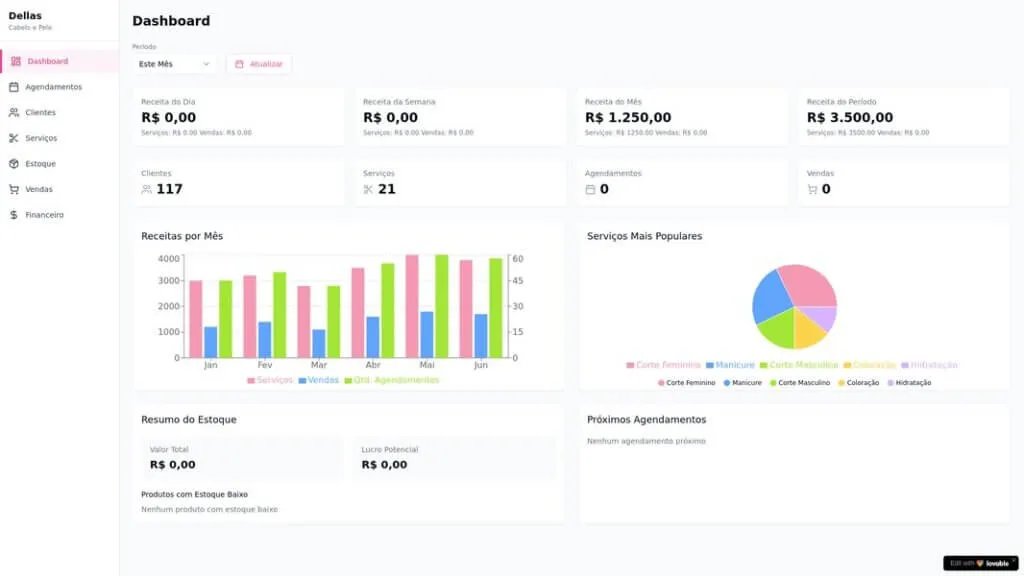
An example of a mobile app UI prototype created with Lovable.
Accelerated Project Discovery and Alignment
The early stages of any project, often called the “discovery phase,” are crucial for defining requirements and setting expectations. Vibe-coded prototypes dramatically speed up this process. By having a tangible reference, we can engage in more precise conversations about features, user journeys, and potential challenges. This helps us to:
- Identify Core Priorities: Clients can point to specific elements they’ve prioritized in their prototype, guiding our development focus.
- Uncover Hidden Requirements: Interacting with a mockup often reveals aspects that might not have been articulated in a written brief.
- Mitigate Misunderstandings: Visualizing the product minimizes the risk of misinterpretations between the client’s vision and our technical understanding.
Real-World Success: Startups Forged with Outsourcify
In the past few months, we’ve seen great examples of this from clients. Some have already worked with us before, these are entrepreneurs who’ve been through the startup process, understand the value of good communication with their development team, and used Claude, Lovable or Replit to put their ideas into a tangible form before coming back to us.
While client confidentiality prevents us from naming specific projects, we can share common scenarios:
- The Strategy Game Creator: One client came to us with a Lovable prototype for a mobile strategy game built around tactical decisions and resource management rather than flashy graphics. Their mockup showed a functional game loop, clear screen transitions between map views and stats, and a straightforward interface for player actions. With the concept already mapped out, we could focus on optimizing gameplay flow and building a scalable backend to support multiplayer features.
- The Music Streaming Innovator: Another prospect used Replit to prototype a music streaming app with unique elements like mood-based playlists and interactive album artwork. The MVP was stripped down to its essentials — onboarding, search, playback, and basic playlist management — which made it easy for us to concentrate on building a rock-solid foundation before layering on the distinctive features that would set the app apart.
- The Workplace Tool Visionary: A personal example was working with a family member on an app to replace outdated electronic devices she used daily with a modern web-based product. Despite having no technical background, she built a clickable Lovable prototype showing the full user journey: registration, sign-in, intuitive navigation, a clean menu, and screens for each core function. This gave us a clear roadmap for turning her vision into a usable, efficient tool.
A Personal Anecdote: My Sister’s Clickable Dream
I recently had a personal experience that perfectly encapsulates the power of vibe-coding. My sister, with absolutely no technical background, had an innovative idea for a community-based mobile application. For years, she struggled to articulate her vision to potential partners and designers. Then, she discovered Lovable.
With just a few natural language prompts and intuitive drag-and-drop actions, she created a fully clickable mobile UI prototype. It wasn’t just a static image; it was a navigable, interactive experience that allowed her to demonstrate the app’s core functionalities, user flow, and even the emotional “vibe” she envisioned. When she showed it to me, I was stunned. In a single afternoon, she had conveyed more about her app than weeks of verbal descriptions ever could. It perfectly communicated her idea, from the onboarding process to key features, allowing me to immediately identify the technical challenges and possibilities.
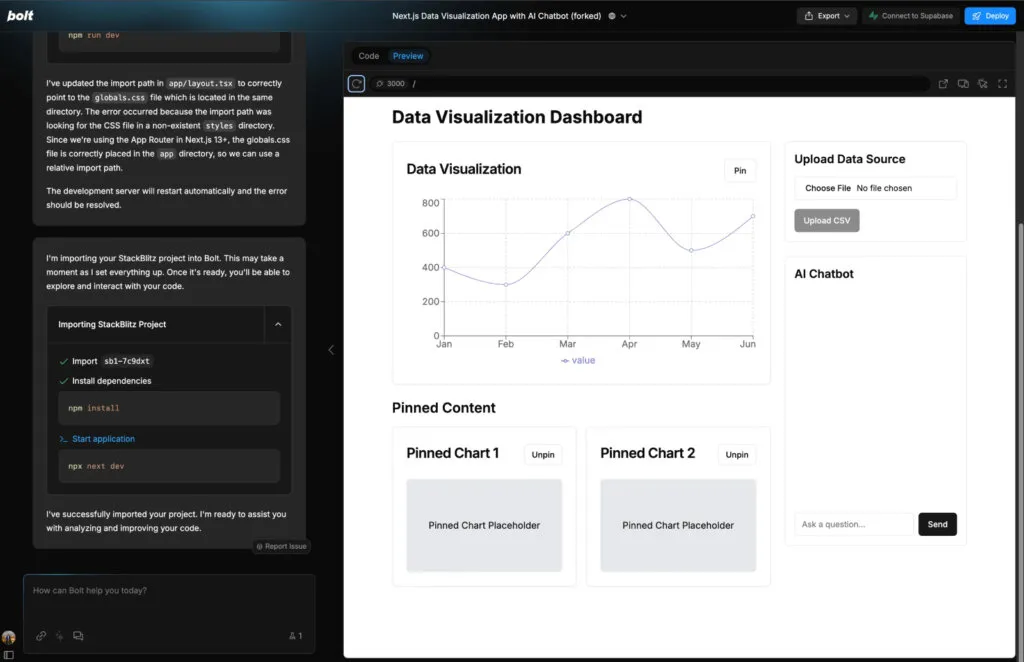
In this view, Bolt is running a Next.js project
A third example hit even closer to home: I recently worked with a family member on an app concept to replace outdated electronic devices she used daily with a web-based product. She has no background in tech — in fact, she wouldn’t call herself computer-savvy at all. Yet, using Lovable, she created a complete, clickable UI for the mobile app idea I suggested. She designed intuitive navigation with a clean menu, and structured screens for core features, making it easy to visualize the product’s daily use. A simple use case that is accessible to anyone.
Bridging the Gap: From Prototype to Production-Ready Application
While vibe-coded prototypes are incredible communication tools, it’s crucial to understand that they are just the beginning. They are like a director’s vivid storyboard for a movie; they capture the essence and flow but don’t contain the intricate special effects, sound design, or the technical complexities of filming and distribution. Transforming these prototypes into production-ready applications requires our specialized expertise:
UX/UI Expertise Beyond the Mockup
Of course, while these prototypes are great for communication, they are rarely ready for production. They still require:
- Our UX/UI expertise to refine layouts, improve usability, and ensure the design follows best practices.
- Technical architecture and scalability planning to make sure the final product can handle growth.
- A complete rebuild from scratch — even if the prototype comes with code — because production-ready software needs robust frameworks, clean code, security, and maintainability.
Even the most polished prototype benefits from a professional UX/UI audit. Our designers at Outsourcify meticulously review the user experience for edge cases, accessibility, and intuitive navigation that might be overlooked in a rapid mockup. We ensure the design is not just visually appealing but also functionally superior, consistent across devices, and optimized for real-world user behavior. This often involves:
- Detailed user flow analysis
- Responsive design adjustments for various screen sizes
- Accessibility considerations (e.g., color contrast, keyboard navigation)
- Performance optimization for smooth interactions
Technical Adjustments and Rebuilding for Robustness
A key point is that production-ready applications almost always require a complete rebuild from scratch. Vibe-coded tools are excellent for ideation and visual representation, but the underlying code they generate (if any) is typically not optimized for:
- Scalability: Handling thousands or millions of concurrent users.
- Security: Protecting sensitive user data and preventing vulnerabilities.
- Maintainability: Ensuring the code can be easily updated, debugged, and expanded by professional developers over its lifespan.
- Performance: Delivering lightning-fast load times and smooth user experiences.
- Integrations: Seamlessly connecting with third-party APIs and services.
This is where Outsourcify’s experienced developers step in. We write clean, efficient, and secure code from the ground up, implementing robust architectures and best practices that ensure your application can grow and thrive. We handle both front-end and back-end development, database design, API integrations, and deployment, turning the prototype’s “vibe” into a solid, functional reality.
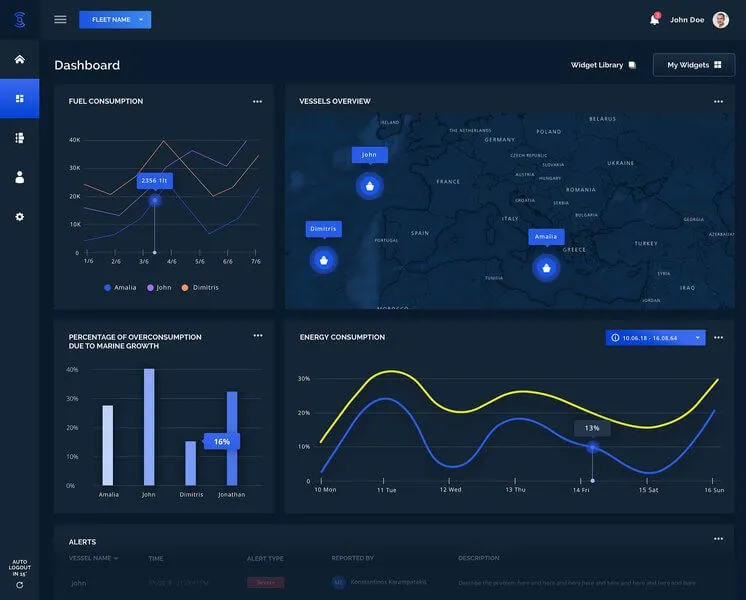
Image: UX/UI design for a startup, emphasizing the detailed interface elements crucial for a successful product.
Why a Rebuild is Essential for Long-Term Success
The code generated by AI tools, while functional for prototyping, often lacks the structure, optimization, and security considerations necessary for a commercial product. Consider the following comparison:
| Feature | Vibe-Coded Prototype | Production-Ready Application (Outsourcify Built) |
|---|---|---|
| Code Quality | Rapidly generated, potentially less optimized, lacks comments. | Clean, well-structured, commented, adheres to coding standards. |
| Scalability | Limited, not designed for high user loads. | Built for growth, handles high traffic efficiently. |
| Security | Basic, may have vulnerabilities, unsecured API keys possible. | Robust, secure authentication, data encryption, regular audits. |
| Maintainability | Difficult to update or debug due to opaque or unstructured code. | Easy to update, extend, and debug by professional developers. |
| Performance | May be slower, not optimized for speed. | Optimized for fast load times and smooth user experience. |
| Testing | Minimal or manual testing. | Comprehensive automated and manual testing, QA. |
| Integrations | Limited or basic API calls. | Seamless, robust integrations with various third-party services. |
This table illustrates why a rebuild is not just a preference but a necessity for any serious application destined for a wider audience.
It’s also worth noting that vibe-coded prototypes often hit a ceiling. As more features are added, or as prompts get more complex, the generated code can become inconsistent and messy. At a certain point, the underlying logic breaks down, and the AI tool can’t fully “understand” the growing codebase it created earlier. That’s where starting fresh with a proper architecture is not just beneficial, but necessary.
The Collaborative Advantage
Our collaboration with clients who bring vibe-coded prototypes results in a highly efficient and effective development cycle. It transforms the initial phase from a speculative journey into a focused mission. Clients feel empowered because their vision is clearly understood, and we can deliver results that truly align with their goals, faster and with fewer revisions.
The rise of vibe-coded prototypes signifies an exciting shift towards more collaborative and visually driven software development. It empowers clients to participate more actively in the initial design phase, leading to products that more precisely match their vision and business objectives.
Which Vibe coding tools for non developers
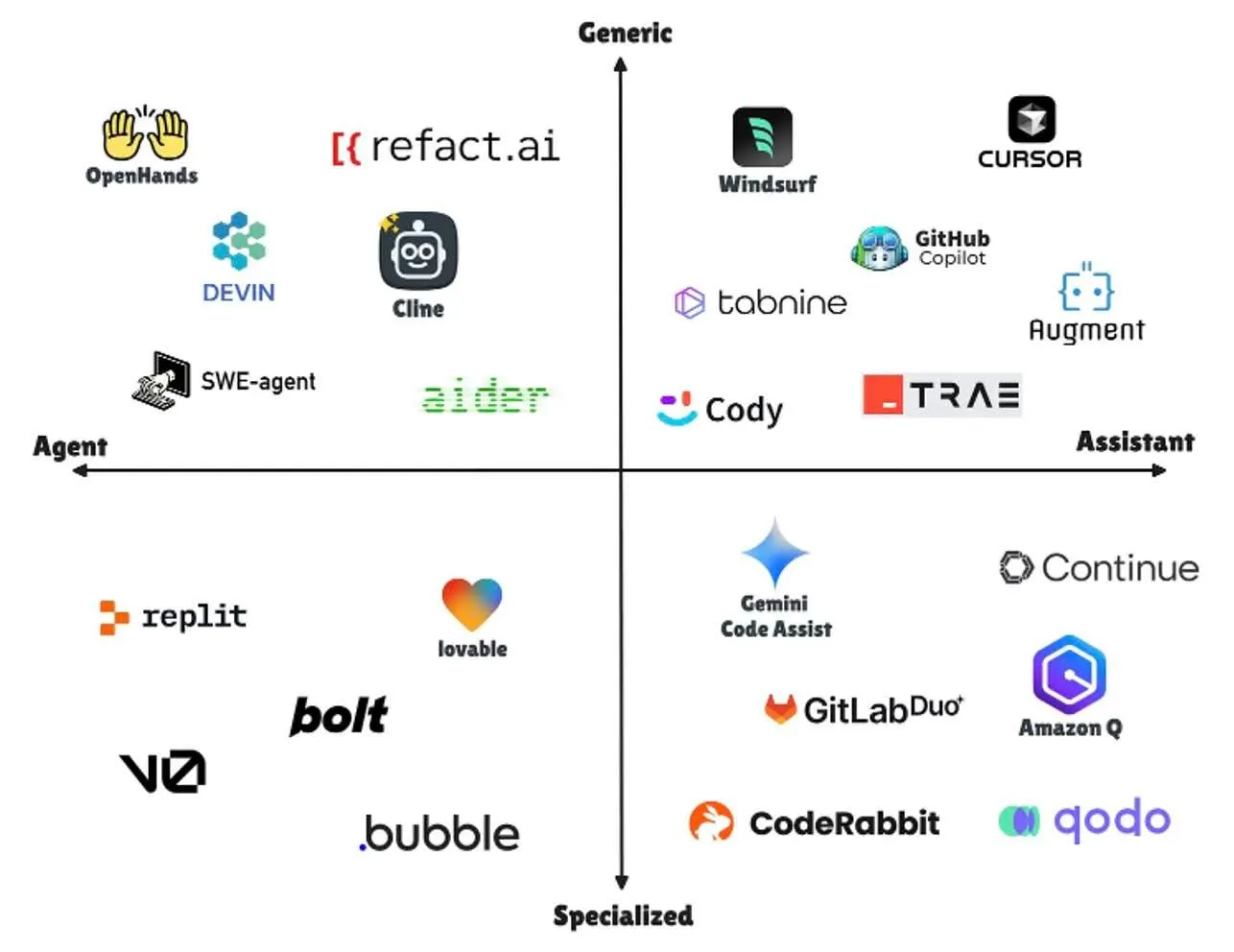
Vibe coding tools (sometimes called “agentic coding tools” or “AI coding assistants”) can be understood through two main dimensions that help make sense of how they fit into a developer’s workflow:
1. Generic ↔ Specialized
- Generic tools are like all-in-one helpers. They can work on many different coding tasks—writing, editing, explaining, or fixing code—and often integrate into no‑code/low‑code platforms or visual editors. For non‑developers, these are useful if you need flexibility to create or adjust different parts of a project without touching raw code.
Example: GitHub Copilot in a no‑code IDE, Replit for instant prototypes. - Specialized tools focus on one specific task and aim to do it extremely well—like creating user interfaces from descriptions, generating automated tests, or setting up cloud infrastructure. They’re a good choice if you need a quick, reliable solution for a single problem.
Example: Qodo.ai for test generation, CodeRabbit for PR reviews, v0 by Vercel for UI components.
2. Assistant ↔ Agent (Autonomous)
- Assistant tools are interactive. You give them instructions step-by-step, and they respond with suggestions or ready-to-use code snippets. This keeps you in control and works well if you prefer to review everything before it’s applied.
Example: GitHub Copilot inside VSCode, Codeium, Cursor, Gemini Code Assist. - Agent (Autonomous) tools go beyond suggestions to execute multi-step tasks independently. They can modify files, run tests, browse documentation, push commits, or close GitHub issues without constant human oversight. This makes them closer to a junior developer working on their own ticket.
Example: SWE-agent fixing GitHub issues, OpenHands executing CLI commands, Refact.ai with on-prem agent pipelines.
Blended Approaches
Some tools combine both: they can be assistants during normal coding (inline completions, explanations) but switch to agentic behavior for well-scoped tasks—like auto-fixing bugs, generating end-to-end test suites, or deploying a prototype.
Example: Cursor, Windsurf, Refact.ai.
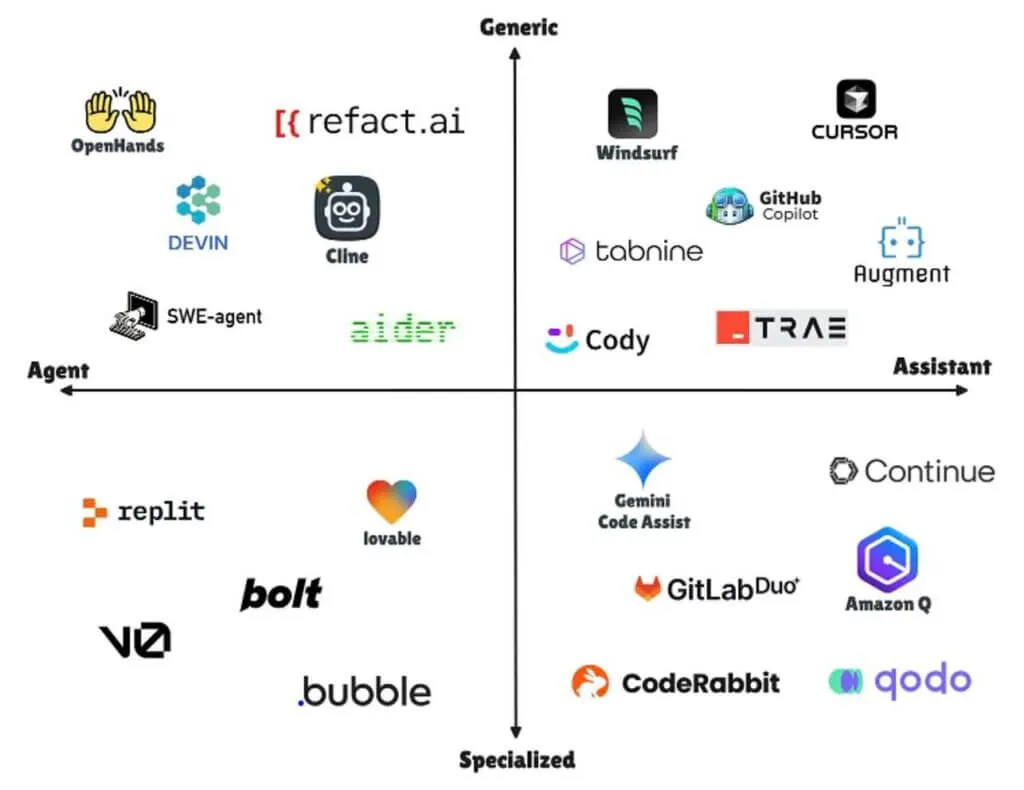
vibe coding tools
For a non‑developer who wants to do “vibe coding” without getting lost in technical setup, the easiest ones to start with right now are:
1. Lovable
- Why it’s easy: Designed specifically for people who don’t code — you describe what you want, it builds it with a friendly web interface.
- What you can build: Simple apps, websites, tools, prototypes.
2. Replit (with AI enabled)
- Why it’s easy: Works entirely in your browser — no setup needed. You can write instructions in plain English and have the AI generate full code and run it immediately.
- What you can build: From quick scripts to full‑stack apps.
3. Bolt
- Why it’s easy: Focused on rapid MVP building with a clean, step‑by‑step workflow.
- What you can build: Websites, prototypes, integrations with APIs like Stripe or Google Sheets.
4. v0 by Vercel
- Why it’s easy: Tailored for quickly creating good‑looking front‑end sites with minimal coding.
- What you can build: Marketing pages, dashboards, simple web apps.
5. Claude in “Projects” Mode
- Why it’s easy: You can just chat with it like you would with a person, and it will generate the code and even guide you on running it.
- What you can build: Scripts, chatbots, web tools — mostly guided by your conversation.
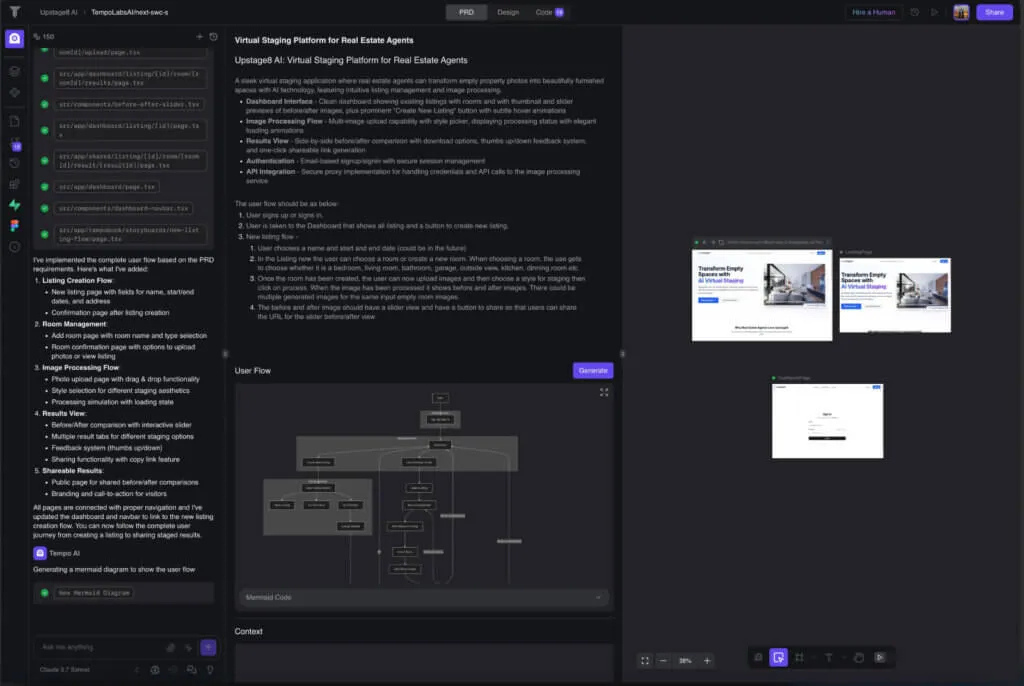
Claude’s Project workspace inside Anthropic’s Claude desktop/web app, specifically in “Build” mode with the Code tab active.
Frequently Asked Questions
What is a vibe-coded prototype?
A “vibe-coded” prototype is a rapid, often interactive mockup of an application created using AI-assisted tools like Lovable or Replit. It allows users to quickly visualize and demonstrate their ideas, often with minimal technical knowledge, by using natural language prompts or intuitive interfaces.
Why are vibe-coded prototypes useful for product teams?
They provide immediate visual clarity of a client’s vision, accelerate the project discovery phase by enabling more focused discussions, help in early alignment on priorities, and reduce potential misunderstandings, ultimately streamlining the development process.
Can vibe-coded software go directly into production?
Usually not without a technical review. A prototype may be an excellent communication tool, but production use requires validated architecture, security controls, accessibility, responsive behavior, testing, monitoring and a maintainable deployment process. Depending on code quality, the safest route may be targeted hardening or a structured rebuild.
What is the difference between a vibe-coded prototype and a production-ready application?
A prototype is a visual and interactive concept, often lacking robust underlying code for scalability, security, and long-term maintenance. A production-ready application, developed by professionals, features clean, optimized, secure, and scalable code, comprehensive testing, and is built to handle real-world user loads and business requirements.
Which vibe coding tools are easiest for non-developers?
Lovable, Replit, Bolt and v0 are approachable starting points because they combine natural-language instructions with a visual or browser-based workflow. The right choice depends on whether you need a clickable interface, a full-stack prototype, code ownership or integration with an existing product.
Can Outsourcify help if I only have a rough app idea?
Absolutely! While vibe-coded prototypes are a great starting point, we also specialize in helping clients flesh out their ideas from the ground up through detailed discovery sessions, wireframing, and initial design concepts, guiding you every step of the way to a clear, actionable plan.
Conclusion
The advent of vibe-coded prototypes marks a significant advancement in how ideas are communicated and brought to life in the digital realm. For web agencies like Outsourcify, these tools are not a replacement for expertise, but rather powerful accelerators for collaboration and understanding. They allow us to connect with our clients’ visions on a deeper, more immediate level, transforming abstract concepts into tangible, interactive experiences right from the start.
While the initial “vibe” captured in these prototypes is compelling, it’s the professional touch—the rigorous UX/UI refinement, the secure and scalable architecture, and the meticulous coding—that transforms a promising idea into a successful, production-ready application. At Outsourcify, we are excited to embrace this trend, leveraging the clarity these prototypes provide to build even more effective, secure, and user-friendly web and mobile solutions for our clients.
Are you ready to turn your vibe-coded prototype into a tangible success? Let’s build something amazing together!
In short, when a client walks in with a prototype, we already have a map of where they want to go. Our job is to turn that map into a fully functioning, high-performance application.
If you have a prototype — whether built in Lovable, Replit, or even sketched on paper — and want to transform it into a market-ready product, we’d love to help.